Exploring dementia management:Important points to know
Understanding dementia care is crucial for both patients and caregivers. Identifying the initial symptoms, such as memory loss and language difficulties, can lead to timely intervention. Various types of dementia, including Alzheimer's and vascular dementia, present unique challenges. A nurturing setting and effective care strategies can greatly enhance standard of living. However, emotional challenges and legal considerations make difficult the caregiving journey. What approaches can ensure all-encompassing support while tackling these complexities?
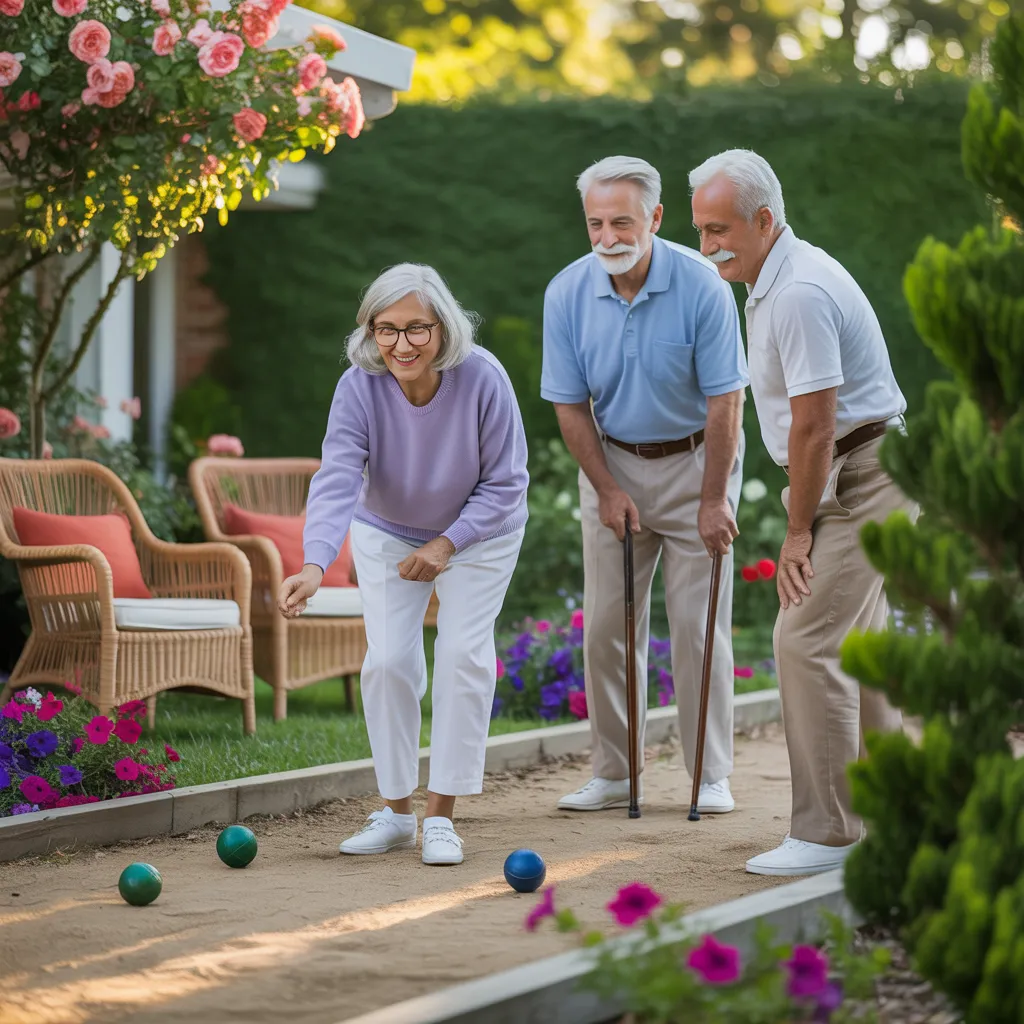
Detecting the Early Manifestations of Dementia
How does one detect the early signs of dementia? Recognizing the initial indicators is vital for early intervention. Common symptoms encompass memory loss, especially missing recent events or conversations. People may also encounter difficulty in planning or organizing tasks, causing confusion in daily activities. Changes in language skills, like having difficulty to find the correct copyright or follow conversations, often appear.
Additionally, a individual might display modifications in mood or demeanor, ranging from increased irritability to withdrawal from social interactions. Difficulty in recognizing familiar places or faces can also appear. These signs may be understated at first, but their progression can significantly impact daily living. Understanding of these early symptoms allows for appropriate conversations with healthcare providers, facilitating early assessments and potential support options. Understanding these signs is crucial for both the individual and their loved ones in navigating the intricacies of dementia care.
What Are the Diverse Varieties of Dementia?
Comprehending the early signs of dementia is just the first step in navigating the intricacies of this condition. Dementia is an comprehensive term that encompasses multiple varieties, each with specific features and underlying causes. Alzheimer’s disease is the most prevalent form, marked by progressive memory loss and cognitive decline. Vascular dementia comes after, often due to strokes, resulting in impaired judgment and reasoning. Lewy body dementia shows fluctuations in attention, visual hallucinations, and motor symptoms like Parkinson’s disease. Frontotemporal dementia affects younger adults, causing changes in personality and behavior due to degeneration of the brain’s frontal and temporal lobes. Additional types include mixed dementia, which merges traits of multiple forms, and normal pressure hydrocephalus, characterized by fluid buildup in the brain. Comprehending these types is essential for accurate diagnosis and care strategies, finally improving the quality of life for those affected by dementia.
Building a Nurturing Space for Alzheimer's Assistance
Creating a encouraging environment for people with dementia calls for deliberate reflection of their living spaces and mental needs. Secure living spaces limit obstacles and strengthen self-determination, while memory reinforcement practices can benefit in communication and retention. Working in harmony, these elements establish a awareness of security and well-being for those experiencing dementia.
Safe Residential Spaces
A carefully crafted living space can substantially increase the quality of life for people with dementia. Building safe residential spaces demands reducing potential hazards and fostering self-reliance. Unnecessary belongings should be cleared away to avoid confusion and accidents, while unblocked corridors enable movement. Good lighting is vital; well-illuminated areas help individuals navigate their setting more easily and decrease anxiety. Including familiar items can provide reassurance and a feeling of belonging. Similarly, using different color contrasts on walls and floors can support spatial awareness. Secure garden areas permit safe discovery, supporting physical fitness. In conclusion, purposeful architectural decisions foster a supportive environment that promotes independence and enhances everyday living for individuals with dementia.
Memory Enhancement Techniques
Memory strengthening techniques play an essential role in supporting individuals with dementia by improving recall and fostering a sense of security. These strategies include the use of cognitive supports, such as visual cues, labels, and photographs, which can help individuals move through their surroundings and trigger memories. Consistency in routines and known environments further supports cognitive function. Engaging in memory-sharing activities, where individuals discuss past experiences, also promotes mental stimulation and emotional connection. Additionally, encouraging social interactions can boost memory recall and decrease feelings of isolation. These techniques not only aid memory but also contribute to general health, helping individuals with dementia maintain a sense of identity and connection to their past. Creating a supportive environment is vital for effective dementia care.
Top Methods for Giving Excellent Dementia Services
Effective dementia care copyrights on the adoption of person-centered approaches and communication techniques adjusted to individual needs. By emphasizing the wishes and backgrounds of those with cognitive decline, care providers can foster a more supportive environment. Additionally, utilizing transparent and empathetic dialogue can significantly improve interactions and understanding.
Patient-Centered Care Practices
Implementing person-centered care approaches greatly improves the quality of life for people with dementia. This approach prioritizes the unique preferences, needs, and values of each individual, guaranteeing that care is tailored specifically to them. By fostering a nurturing and considerate environment, caregivers can encourage independence and engagement, allowing people to maintain a feeling of self. Activities should be matched to the person's past interests and routines, promoting significant interactions and decreasing anxiety. Shared decision-making further enables people and their families, strengthening their part in the caregiving process. Training caregivers in these methods is crucial, as it provides them with the skills to respond empathetically and efficiently to the evolving needs of those with dementia.
Effective Communication Techniques
Clear and compassionate communication is essential in caring for dementia patients, as it greatly affects the welfare of individuals affected by the condition. Effective methods consist of using straightforward copyright, keeping eye contact, and talking at a slow pace to enhance understanding. Non-verbal cues, such as gestures and face movements, can also support spoken copyright, providing additional information. It's vital to validate emotions and moments, even if they are based on misconceptions, to build confidence and reduce anxiety. Listening actively and allowing ample space for answers promotes participation. Furthermore, minimizing distractions in the environment can further enhance focus. Overall, using these approaches promotes a caring atmosphere, enabling individuals with dementia to feel respected and understood, thereby enhancing one's quality of life.
Surpassing Psychological Difficulties in Dementia Caregiving
Even though care providers often approach dementia care with empathy and commitment, they useful resource frequently encounter major emotional challenges that can influence both their wellness and the level of service rendered. Feelings of irritation, melancholy, and loneliness are widespread as care providers navigate the intricacies of the disease. The psychological burden can cause burnout, diminishing their ability to provide consistent support.
To overcome these challenges, caregivers can profit by creating coping strategies, such as establishing routines and defining achievable goals. Engaging in personal care—like fitness activities, interests, or awareness exercises—can help maintain mental balance. Additionally, nurturing open communication with family members and friends permits caregivers to share their burdens, easing loneliness. Valuing the importance of asking for assistance when needed is fundamental; caregivers must place importance on their emotional health to copyright their caregiving roles successfully. By addressing these emotional challenges, caregivers can enhance both their health and the care they offer to those with dementia.
Resources and Support for Care providers
Navigating the complexities of dementia care can be stressful, but abundant resources and support systems are available to provide support to caregivers. National organizations, such as the Alzheimer's Association, present educational materials, helplines, and local support groups that foster connection among caregivers. Online web communities and content platforms additionally offer a medium for sharing experiences and advice, helping caregivers feel more connected.
Moreover, temporary relief options allow caregivers brief respite, permitting them to recharge and maintain their well-being. Community centers regularly organize workshops and skill-training sessions to provide caregivers with vital skills for navigating daily obstacles. Additionally, many health professionals can recommend therapeutic support options designed to tackle the psychological toll of caregiving. Through accessing these resources, caregivers can deepen their knowledge base, build supportive relationships, and ultimately raise the standard of support they render, confirming both their own needs and those of their cherished ones are met.
Strategy Ahead: Lawful and Fiscal Tips
Since family supporters manage the intricacies of supporting family members with dementia, future planning stands as a substantial consideration. Legal and monetary preparations can tremendously lessen worry and ensure that the requirements of people with dementia are addressed. Support specialists should think about establishing powers of attorney for financial and healthcare, allowing designated individuals to decide when necessary. Additionally, writing a living will can express choices regarding healthcare treatment.
It is critical to assess present financial resources and plan for potential extended care costs. This may involve working with financial planners who specialize in elder care to investigate coverage plans or government benefits. Moreover, arranging important documents, such as wills and medical records, can simplify processes during crises. By addressing these financial and legal aspects proactively, caregivers can safeguard their loved ones' health and provide a clearer path forward amidst the challenges of dementia.
Common Inquiries Asked Often
How Do I Engage More Successfully With Someone Who Has Dementia?
To express yourself better with someone who has dementia, one should use clear, simple language, maintain eye contact, exercise patience, listen with full attention, and validate their feelings, cultivating a supportive atmosphere that encourages understanding and connection.
What Constitute Widespread Misinterpretations Regarding Dementia?
Frequent misunderstandings about dementia include the beliefs that it only affects memory, is inescapable with aging, and cannot be managed. Additionally, many overlook the emotional impact on individuals and families, often treating dementia as a purely medical condition.
How Can Dementia Change Relationships With Loved Ones and Friends?
Dementia can affect bonds with family and friends, often creating confusion, disconnection, and shifting relationship structures. Those providing care may feel overwhelmed, while those close to them might struggle with engagement as dialogue and recall decline considerably.
What Should I Do in Case of a Alzheimer's Crisis?
Should a dementia crisis occur, it is essential to keep calm, secure secure conditions, and evaluate the situation. Reach out to healthcare professionals for direction, provide reassurance, and establish a caring atmosphere to help ease distress for the individual.
What Are Ways to Maintain Myself as a Caregiver?
Caregivers should prioritize self-care by establishing limits, seeking support from friends or support groups, participating in regular physical activity, maintaining healthy nutrition, and guaranteeing time for leisure activities and personal interests to recharge emotionally and physically.